In plywood manufacturing, one of the most critical yet under-discussed stages is the preparation of the veneer core before applying the top face layer. A smooth, defect-free core directly influences the final quality of plywood—especially in applications where thin or decorative veneers are used.
This is where core concealing adhesive, also known as surface filler resin or core masking putty, plays a central role.
Core concealing adhesive is a water-based resin compound applied to the plywood core to mask visual and surface imperfections such as:
These adhesives are usually composed of:
Once applied and dried, this compound provides a more uniform and smoother surface, allowing the top veneer to adhere better and appear cleaner.
The adhesive does not have a specific name; it is referred to in different ways depending on the context.
| English Name (Recommended) | Vietnamese Equivalent | Type |
|---|---|---|
| Surface Filler Adhesive | Keo chống lộ cốt | Pigmented resin filler |
| Core Masking Putty | Keo trét bề mặt ván | Water-based veneer filler |
| Veneer Core Treatment Resin | Keo xử lý bề mặt ván ép | Extender-filled adhesive |
A plywood panel is a composite structure—every layer counts. The core veneer, although not visible after veneering, must meet quality standards to:
Especially in thin veneer applications, such as engineered veneer, EV-faced plywood, or high-end furniture panels, even small core flaws can become visible, affecting product aesthetics and commercial value.
The compound is applied prior to face veneering to:
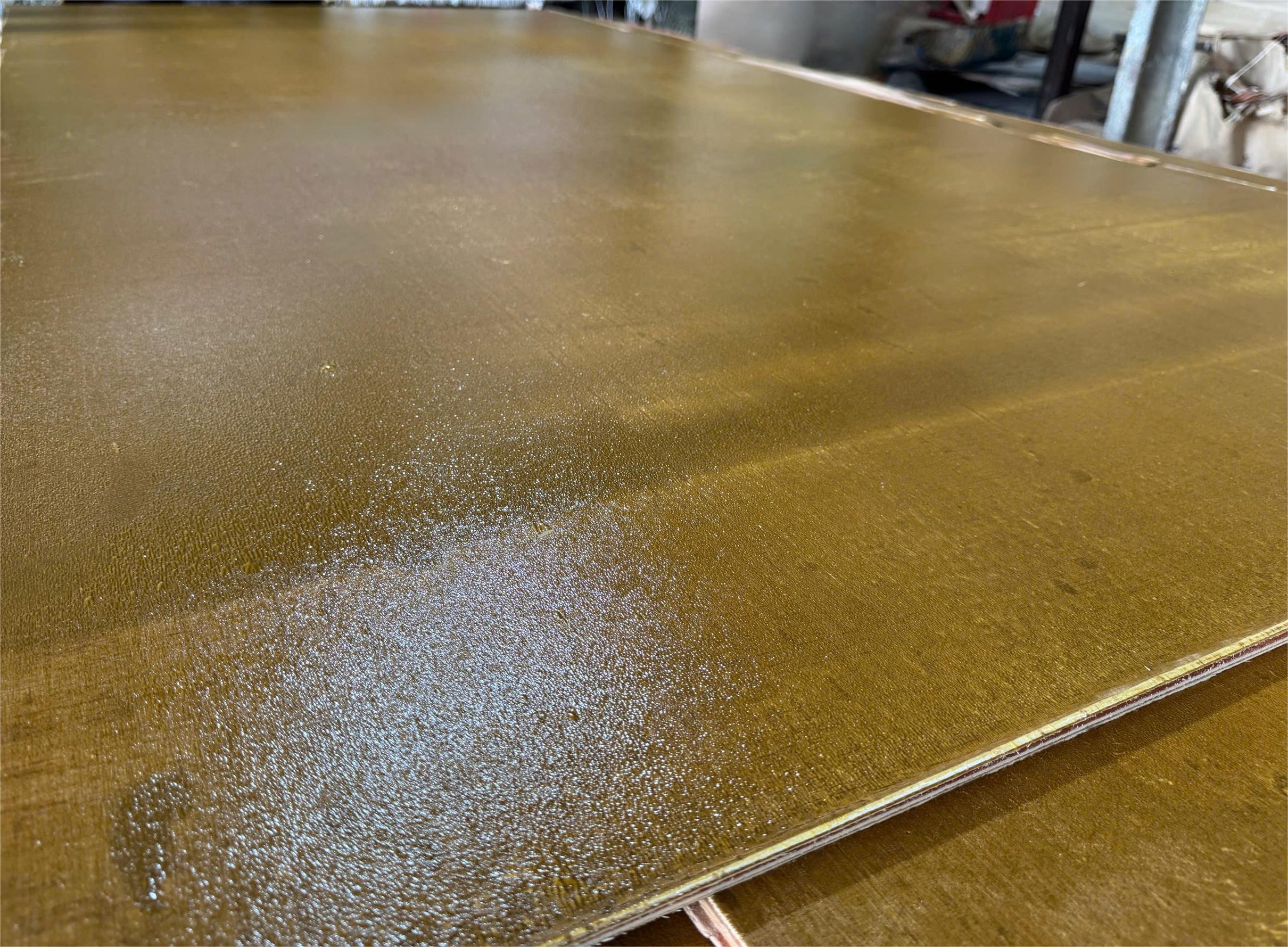
Core concealing adhesive is typically applied:
The application is done manually or by roller/spray, followed by air drying or infrared preheating to ensure surface dryness before face veneer lamination.
Some manufacturers may formulate custom versions of this filler adhesive based on:
Modern core concealing adhesives are developed with low-emission standards in mind:
In the plywood manufacturing industry, surface perfection isn’t just aesthetic—it’s essential. At ANN PLYWOOD Co., LTD, we understand that the final appearance and structural integrity of veneered panels depend heavily on how we treat the plywood core before the final top veneer is applied.
Although considered a post-processing step, core treatment using concealing adhesive has a direct impact on surface quality, durability, and the commercial value of the plywood. Recognizing this critical factor, ANN PLYWOOD has proactively invested in this stage to improve production efficiency, reduce defect rates, and enhance the end-user experience.
By investing in this advanced adhesive step, ANN PLYWOOD guarantees: